Oct 31, 2026
How to Weigh Impacts in Debate (and Win When They Weigh Too)
How to Weigh Impacts in Debate (and Win When Your Opponent Weighs Too) Picture the last two minutes of a round....
43 Views7 Mins Read

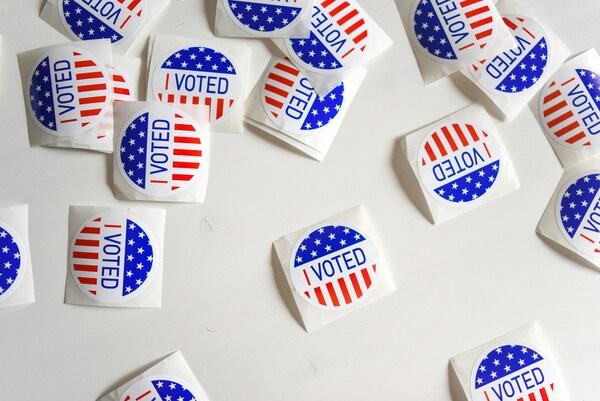
Students learn politics best by doing it: structured debates, mock elections, Model UN, policy simulations, service projects and open, well-moderated discussion of current issues. Research from CIRCLE, RAND and the Task Force on Experiential Civic Learning links these practices to stronger civic skills and future voting. This guide includes ready-to-use activities for elementary, middle school, high school and university classes.
Politics shapes our daily lives, from the laws we follow to the opportunities we have, yet many students see it as complex or divisive. Cleisthenes, often called the father of Athenian democracy, would remind us that participation and knowledge are vital for a healthy society. Understanding politics and civic life isn’t just for elected officials; it belongs in classrooms at every level.
The short answer: students learn politics best by doing it. Structured debates, simulations like mock elections and Model UN, service projects and open, well-moderated discussion of current issues build civic knowledge and the habit of participating. Below you’ll find the research behind that, and ready-to-use activities for every grade level.
Schools, teachers and tutors are under growing pressure to prepare students to be informed, engaged citizens, yet civic education often doesn’t get the time or support it needs. Parents and educators alike understand how important it is for young people to become educated voters who can help shape their country’s future.
In its 2018 Brown Center Report on American Education, Brookings reviewed state civics requirements and student survey data and found that while civics courses are widespread, participatory elements and community engagement are less common. Many students learn about government without ever practicing the skills democracy depends on, like debating an issue or making a case to a public official.
An effective civics and discourse program requires more than a single course. It needs experiential strategies like service learning and debate.
During Civic Learning Week 2024, researchers from RAND, CIRCLE at Tufts University and other organizations released new analyses showing that high schools need more robust civic learning opportunities, and that students benefit when civic and political issues are openly discussed. CIRCLE’s research found that young people who had opportunities to develop their voice in high school were more likely to vote and stay civically engaged.
Politics is inseparable from moral responsibility. Decisions about resources, rights and justice require ethical judgment. Historical movements such as the U.S. Civil Rights Movement and the women’s suffrage movement were driven by political activism and moral conviction and led to landmark legislation that expanded rights and equality. Students who understand these moral dimensions are better prepared to contribute to a just society.
The Task Force on the Value of Experiential Civic Learning (2025), co-chaired by Danielle Allen of Harvard and Elizabeth Clay Roy of Generation Citizen, describes how effective programs engage students in real issues and real civic processes. RAND’s list of proven practices for civic learning points the same way. Practices that work include:
An internal study showed that politics consistently ranks among the most popular debate topics on VersyTalks, drawing students who want to engage with real-world issues that shape their lives. More than half of our debaters preparing for college, or already enrolled, have expressed a strong interest in participating in more politics-related debates, especially those connected to current events, recent developments, or future geopolitical shifts.
These methods show that experiential learning isn’t a nice extra; it’s essential. Active engagement builds critical thinking, collaboration and civic responsibility, the skills democracy runs on.
Digital technology can extend civic engagement beyond the classroom. A 2023 study in the Journal of New Approaches in Educational Research notes that digital platforms create new spaces where people and political actors connect, in ways that are more accessible, immediate and egalitarian. Digital tools make it easier to learn, share information and practice critical thinking.
Based on a survey of 191 primary and secondary students, the study concluded that digital tools have a positive effect on critical thinking, which in turn supports citizen participation. That’s the idea behind VersyTalks: structured, moderated debate online, so students can practice civic discourse between classes, not only during them.
Despite broad agreement on its importance, civic education often gets too little support. Social studies teachers frequently teach large numbers of students while juggling extracurricular duties. Without enough resources and fresh approaches, students miss chances to practice civic skills.
Many teachers also hold back: in a 2023 RAND survey, about two-thirds of teachers said they limit discussions of politics and social issues in class, often for fear of pushback. Yet students need environments where they can ask questions, analyze information and practice disagreeing respectfully, with clear ground rules that keep the focus on ideas rather than people.
Platforms with moderated, structured discussion can help. They connect students to perspectives beyond their own classroom while giving teachers tools to keep the dialogue respectful. When students see that their voice matters, they’re more likely to become active voters and community members.
VersyTalks is an online debate platform built for structured, respectful debate and debate practice. Teachers can use its community debates, the 1-on-1 Arena (opening statement, rebuttal and closing, with community voting), Teams, public workshops and tournaments, skill-building drills and expert coaching to turn abstract political concepts into hands-on practice. Here are concrete ways to bring politics into class at every level.
Politics isn’t just for politicians; it’s a core part of education that prepares students to take part in democracy and improve their communities. Civic education works best when it’s experiential, inclusive and supported by good tools. Yet many students still finish school without ever debating an issue or making their case to a public official. Bringing structured debate into the classroom, including on platforms like VersyTalks, gives students real practice discussing, debating and shaping public policy.
As Cleisthenes might advise, we shouldn’t wait until adulthood to practice democracy. We should start in our schools and let every student’s voice help shape our shared future.
Oct 31, 2026
How to Weigh Impacts in Debate (and Win When Your Opponent Weighs Too) Picture the last two minutes of a round....
Oct 31, 2026
Which Debate Format Should You Start With? Most guides to debate formats hand you a table of speech times and leave...
Sep 13, 2026
Best Debate Camps & Summer Programs 2027 The wrong way to choose a debate camp is to ask, “Which one is...