Nov 18, 2025
100 Topics For Debates, Essays And Critical Thinking
100 Topics To Debate And Have Challenging Conversations! Debating is one of the fastest ways to sharpen critical thinking, discover new...
5292 Views7 Mins Read
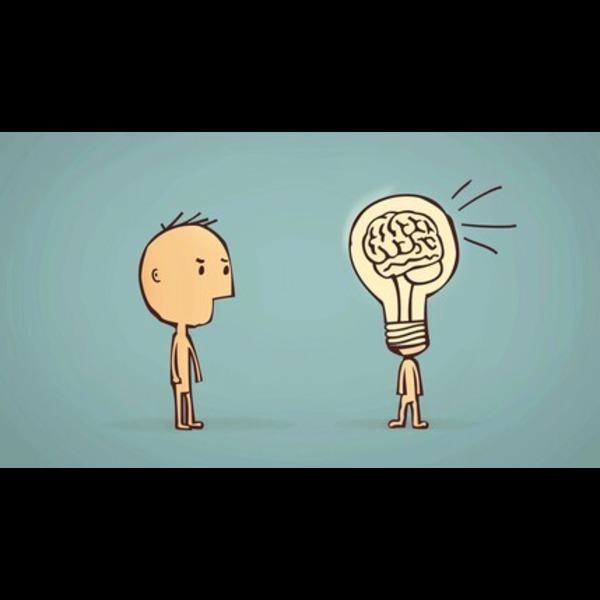
Critical thinking is a foundational skill for navigating today’s fast-moving and information-dense world. It allows you to question assumptions, evaluate evidence, identify biases, and make rational decisions. This guide explains what critical thinking is, why it matters, the essential skills involved, and how anyone can develop them through questioning, diverse perspectives, reflection, frameworks, and debate.
Critical thinking is no longer optional. It’s a core survival skill in a world saturated with information, filled with echo chambers and with constantly changing social and economic ecosystems. Whether you’re a student, an entrepreneur, or a lifelong learner, mastering critical thinking can transform how you make decisions, solve problems, and interact with the world.
In this comprehensive guide, you’ll find a clear definition of critical thinking, concrete examples of critical thinking skills in action, and insights into why a dedicated critical thinking class can fast‑track your growth.
At its core, critical thinking is the ability to question information, evaluate evidence, and arrive at reasoned conclusions. Scholars describe it as a cognitive process that goes beyond simply accepting what you read or hear. A well‑regarded definition notes that critical thinking involves analyzing, evaluating, and interpreting information objectively and rationally. This means a critical thinker will dig deeper, challenge assumptions, and consider multiple perspectives before making a decision.
More formally, the Southern New Hampshire University newsroom summarizes critical thinking as the ability to think clearly and independently about a subject or problem. It encompasses identifying premises and conclusions, clarifying arguments, establishing facts, evaluating logic, and weighing the evidence. In practice, it’s a mindset that insists on objective analysis rather than snap judgments.
Understanding what critical thinking is (and what it isn’t) sets the foundation for cultivating the skill. Critical thinking is not cynicism or contrarianism. It’s not simply doubting everything. Instead, it’s the disciplined habit of seeking clarity, accuracy, fairness and relevance in your reasoning. By knowing the definitions, you can more easily identify situations where critical thinking applies and avoid common pitfalls like confirmation bias or emotional reasoning.
We live in an era where misinformation spreads quickly and where decisions have far‑reaching consequences. From choosing a new career to navigating social issues, critical thinking equips you with the tools to analyze options, weigh potential outcomes, and act with confidence. Employers consistently rank critical thinking as a top competency, noting that it cannot be automated by AI. Higher education institutions also see it as essential preparation for leadership and civic life.
Beyond the workplace, critical thinking enhances personal relationships and self‑awareness. It encourages you to listen actively, consider others’ perspectives, and refine your own viewpoints. Ultimately, critical thinking empowers you to live deliberately rather than reactively.
So what does critical thinking look like in practice? Below are concrete examples of critical thinking skills—each one an essential piece of the cognitive puzzle.
The good news is that critical thinking is a trainable skill. Here are practical strategies to cultivate your critical thinking abilities:
If you're looking to dig deeper into critical thinking training, check out our critical thinking exercises.
Formal critical thinking classes provide a structured environment to practice and refine these skills. They offer expert guidance, curated exercises, and feedback from peers and instructors. Employers value critical thinking so highly because it cannot be outsourced to AI and ensures that new and uncertain situations can be dealt with great acumen.
Taking a class in critical thinking goes beyond simply learning concepts—it gives you the tools and structure to grow. Classes provide targeted feedback, helping you uncover blind spots and strengthen weaker areas you might not notice on your own. They also emphasize skill integration, blending theory with real practice so you can apply logical reasoning, research, and analysis in meaningful ways.
With accountability built into scheduled sessions, you stay engaged and consistent, ensuring steady progress over time. And perhaps most importantly, classes open the door to networking, connecting you with like-minded individuals who share your goals and can become valuable collaborators or sources of support.
VersyTalks is a full environment for strengthening reasoning, argumentation, and analytical thinking. Every feature is designed to help you build critical thinking skills through practice, reflection, and exposure to diverse perspectives.
Every activity on VersyTalks is built on real debate topics. Join live debates or explore existing ones to dissect arguments, evaluate evidence, and see how different speakers approach the same issue. This helps you recognize strong reasoning and spot logical gaps.
Use VersyTalks’ debate structure and organized argument formats to organize your thoughts clearly. The platform trains you to articulate premises, support them with evidence, and anticipate counterarguments—core elements of critical thinking.
Our debate library and active community expose you to hundreds of viewpoints across politics, ethics, technology, law, education, and more. Reading contrasting positions challenges assumptions, reduces bias, and sharpens your ability to evaluate claims objectively.
Use frameworks like 5 Whys, SCQA, or cost–benefit thinking as debate preparation tools. VersyTalks makes it easy to test these methods in live discussions, helping you refine problem-solving skills through real-time application.
After each debate, you can review your transcript, analyze your argument flow, and receive comments from peers or educators. This feedback loop reveals blind spots and accelerates improvement—something impossible with passive study.
By engaging in 1v1s, group discussions, or collaborative debates, you learn to express ideas clearly, respond under pressure, and communicate with empathy. Critical thinking is not only about logic—it’s about engaging respectfully and effectively.
The 1v1 Arena offers intense, focused practice where you can choose to argue your real position—or pick Devil’s Advocate mode to argue the opposite side. This challenges your biases, forces you to understand arguments you disagree with, and dramatically strengthens cognitive flexibility—one of the highest forms of critical thinking.
There are many other classes like at Cornell, Coursera and Harvard. These can be great options.
Critical thinking is a powerful tool for navigating modern life. By questioning assumptions, gathering reliable evidence, and evaluating arguments objectively, you empower yourself to make better decisions, understand others more fully, and contribute thoughtfully to your community. Developing these skills takes intentional effort, but the rewards ripple across personal and professional domains.

Nov 18, 2025
100 Topics To Debate And Have Challenging Conversations! Debating is one of the fastest ways to sharpen critical thinking, discover new...
Dec 2, 2025
Developing critical thinking is like training a muscle (your brain muscles!) – the more you exercise it, the stronger it...
Sep 13, 2026
Best Debate Camps & Summer Programs 2027 The wrong way to choose a debate camp is to ask, “Which one is...