Nov 18, 2025
100 Topics For Debates, Essays And Critical Thinking
100 Topics To Debate And Have Challenging Conversations! Debating is one of the fastest ways to sharpen critical thinking, discover new...
7161 Views7 Mins Read
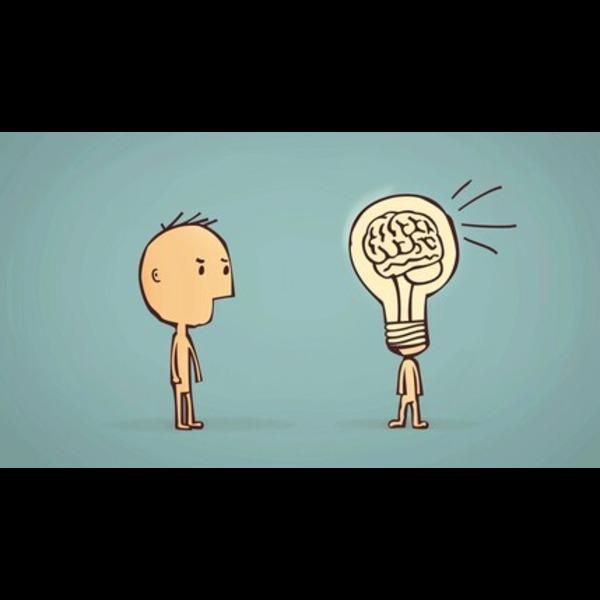
Critical thinking is the ability to question information, evaluate evidence and reach reasoned conclusions. It can be taught: research shows dialogue, real-world problems and mentoring work best. To improve, ask what evidence supports a claim, argue the other side, learn common fallacies, seek out people who disagree with you, use simple decision frameworks, reflect on past choices and practice through debate.
Critical thinking is no longer optional. It’s a core survival skill in a world saturated with information, full of echo chambers, and shaped by constantly changing social and economic conditions. Whether you’re a student, an entrepreneur or a lifelong learner, mastering critical thinking changes how you make decisions, solve problems and interact with the world.
In this guide you’ll find the fastest ways to improve your critical thinking, a clear definition, concrete examples of critical thinking skills in action, and how a class or regular debate practice can fast-track your growth.
Critical thinking is a trainable skill. Research backs this up: a meta-analysis of 341 effects found that critical thinking can be taught at every level of education, and that the most effective approaches combine dialogue, real-world problems and mentoring (Abrami et al., 2015). In practice, that means:
Each of these is explained in more detail below.
At its core, critical thinking is the ability to question information, evaluate evidence and arrive at reasoned conclusions. It goes beyond simply accepting what you read or hear. The Stanford Encyclopedia of Philosophy sums it up as “careful goal-directed thinking.” In practice, that means analyzing, evaluating and interpreting information objectively before deciding what to believe or do. A critical thinker digs deeper, challenges assumptions and considers multiple perspectives before making a decision.
More practically, Southern New Hampshire University summarizes critical thinking as the ability to think clearly and independently about a subject or problem. It includes identifying premises and conclusions, clarifying arguments, establishing facts, evaluating logic and weighing evidence. In practice, it’s a mindset that insists on objective analysis rather than snap judgments.
Understanding what critical thinking is (and what it isn’t) sets the foundation for building the skill. Critical thinking is not cynicism or contrarianism, and it’s not simply doubting everything. It’s the disciplined habit of seeking clarity, accuracy, fairness and relevance in your reasoning. Knowing the definition helps you recognize situations where critical thinking applies and avoid common pitfalls like confirmation bias or emotional reasoning.
Misinformation spreads quickly and decisions have far-reaching consequences. From choosing a career to navigating social issues, critical thinking gives you the tools to analyze options, weigh outcomes and act with confidence.
Employers agree. In the World Economic Forum’s Future of Jobs Report 2025, analytical thinking was the most sought-after core skill, with seven out of ten companies considering it essential. As AI tools take over routine tasks, the ability to judge whether an answer is any good matters more, not less, which is why debates like whether students should use AI for homework are worth having. Colleges also look for it, as preparation for leadership and civic life.
Beyond work, critical thinking improves relationships and self-awareness. It encourages you to listen actively, consider others’ perspectives and refine your own views. Ultimately, it helps you live deliberately rather than reactively.
So what does critical thinking look like in practice? Below are concrete examples of critical thinking skills, each one an essential piece of the puzzle.
The good news is that critical thinking improves with deliberate practice. Here are practical strategies to build it:
Research supports this kind of practice. The same meta-analysis found that dialogue, including questioning, discussion and debate, together with authentic problems and mentoring, produced the strongest gains (Abrami et al., 2015). If you want to go further, try our critical thinking exercises.
Formal critical thinking classes give you a structured environment to practice and refine these skills, with expert guidance, curated exercises, and feedback from peers and instructors. Employers value critical thinking highly because it helps people handle new and uncertain situations well, something that can’t simply be handed off to AI.
A class goes beyond learning concepts. It gives you targeted feedback that helps you uncover blind spots and strengthen weaker areas you might not notice on your own. It also blends theory with real practice, so you apply logical reasoning, research and analysis in meaningful ways.
With accountability built into scheduled sessions, you stay consistent and keep making progress. Classes also connect you with like-minded people who share your goals and can become valuable collaborators or sources of support.
VersyTalks is built for practicing reasoning, argumentation and analytical thinking. Every feature is designed to help you build critical thinking skills through practice, reflection and exposure to different perspectives.
Every activity on VersyTalks is built on real debate topics. Join debates or explore existing ones to dissect arguments, evaluate evidence and see how different people approach the same issue. This helps you recognize strong reasoning and spot logical gaps.
Use VersyTalks’ Structured Argument Mode to organize your thoughts clearly. It trains you to state your claim, support it with evidence and anticipate counterarguments, the core elements of critical thinking.
The debate library and community expose you to hundreds of viewpoints across politics, ethics, technology, law, education and more. Reading contrasting positions challenges assumptions, reduces bias and sharpens your ability to evaluate claims objectively.
Use frameworks like the Five Whys, SCQA or cost-benefit thinking to prepare your debates. Testing them against a real opponent shows you quickly which parts of your reasoning hold up.
Completed debates are public, so the community can vote and comment on your arguments, and you can study how others handled the same topic. For detailed, personal feedback on a speech or case, you can send it to a debate coach. This feedback loop reveals blind spots far faster than passive study.
By engaging in 1v1s, group discussions or collaborative debates, you learn to express ideas clearly, respond under pressure and communicate with empathy. Critical thinking isn’t only about logic; it’s about engaging respectfully and effectively.
The 1-on-1 Arena gives you focused practice in a three-round format: opening statement, rebuttal and closing. You choose the affirmative or negative side, or let the system assign one at random. Arguing the side you disagree with challenges your biases, forces you to understand opposing arguments and builds cognitive flexibility, one of the highest forms of critical thinking.
If you prefer short, focused practice, the VersyTalks debate drills train one skill at a time, from building a clear argument to spotting fallacies and weighing two sides of a clash.
There are also good structured courses elsewhere, such as Cornell’s online Critical Thinking Certificate, Coursera’s critical thinking courses and Harvard’s introduction to critical thinking.
Critical thinking is a powerful tool for navigating modern life. By questioning assumptions, gathering reliable evidence and evaluating arguments objectively, you make better decisions, understand others more fully and contribute thoughtfully to your community. Developing these skills takes intentional effort, but the rewards show up in every part of your personal and professional life.
Not sure where to start? Take the free debate self-assessment to see where your reasoning is strongest and what to work on next.
Nov 18, 2025
100 Topics To Debate And Have Challenging Conversations! Debating is one of the fastest ways to sharpen critical thinking, discover new...
Dec 2, 2025
Developing critical thinking is like training a muscle (your brain muscles!) – the more you exercise it, the stronger it...

Nov 13, 2026
What Is Structured Communication? Structured communication is the skill of presenting your ideas in a clear, logical order so people instantly...